
On the label
- Dehydration may cause unclear thinking, mood change, overheating, constipation and kidney stones, according to the CDC.
- The National Academies set adequate total water intake at about 3.7 liters a day for men and 2.7 liters for women, from all drinks and foods.
- About 80 percent of total water comes from drinks and 20 percent from food, the National Academies reported.
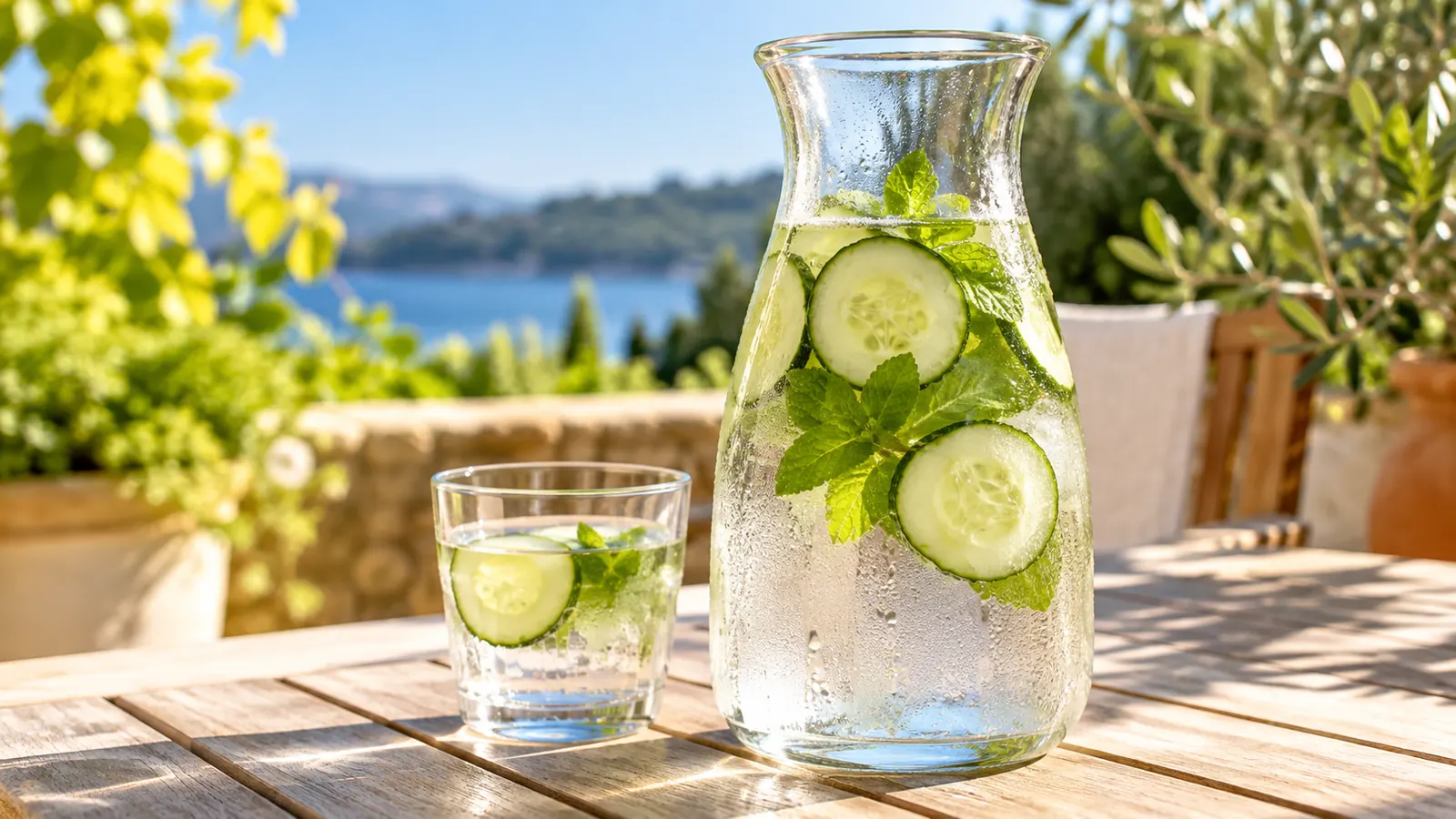
Water is the cheapest energy habit there is, and also the most over-complicated. Apps count glasses, bottles come with hourly markings, and the eight-glasses rule gets repeated everywhere. The official picture is calmer. Staying hydrated matters for how you think and feel, but most healthy adults get there without counting.
Why it matters for energy
The CDC says getting enough water every day is important for health and that drinking water can prevent dehydration, which may cause unclear thinking, mood change, overheating, constipation and kidney stones. Water also helps your body keep a normal temperature, cushions joints, protects the spinal cord and other sensitive tissues, and removes waste. For someone trying to stay sharp through the afternoon, the first two effects, foggy thinking and mood change, are the ones to notice.
How much: the reference numbers
In 2004 the Institute of Medicine of the National Academies set reference intakes for water. It found that women who appear adequately hydrated take in about 2.7 liters (91 ounces) of total water a day, and men about 3.7 liters (125 ounces). Total water means everything: plain water, other drinks and the water in food. About 80 percent comes from drinks, including caffeinated ones, and the other 20 percent from food.
| Women | Men | |
|---|---|---|
| Adequate total water intake | About 2.7 liters (91 oz) a day | About 3.7 liters (125 oz) a day |
| Roughly from drinks (about 80%) | About 2.2 liters | About 3.0 liters |
| Roughly from food (about 20%) | About 0.5 liters | About 0.7 liters |
The split in the second and third rows is our arithmetic from the National Academies’ 80/20 figure, rounded; it is a rough guide, not an official target.
Thirst is a reasonable guide
The National Academies report deliberately avoided a glasses-per-day rule. Its panel chair explained that people meet hydration needs from many sources besides plain water, including juice, milk, coffee, tea, fruits and vegetables. The report concluded that the vast majority of healthy people meet their daily needs by letting thirst be their guide, and that drinking at meals and in normal daily routines is enough for the average person.
MedlinePlus, from the National Library of Medicine, adds that each person’s needs can be different and suggests asking your health care provider how much you should drink. That matters especially for older adults: MedlinePlus notes some people lose their sense of thirst as they age and so do not drink enough.
When you need more
- Hot weather. The CDC lists hot climates among the times the body needs more water.
- Exercise. The CDC lists being more physically active, and NIA advises drinking water during any activity that makes you sweat.
- Illness. Fever, diarrhea and vomiting all raise needs, according to the CDC; MedlinePlus suggests small sips or ice chips if you have trouble keeping liquids down.
- Very active people in hot conditions. The National Academies report that people who are very active and constantly exposed to heat often need six liters or more of total water a day.
Does coffee count?
Yes. Caffeine is a diuretic, as MedlinePlus notes, but the National Academies concluded that its diuretic effect may be transient and found no convincing evidence that caffeine leads to a cumulative loss of body water. When it comes to meeting daily hydration needs, the panel said, caffeinated drinks can contribute as much as non-caffeinated ones. The CDC lists plain coffee and tea among low-calorie drink choices. The limits on coffee are about caffeine and sleep, not hydration; see Caffeine and Energy: How Much, When, and When to Skip It.
What to drink
The CDC notes that water has no calories, so replacing sugary drinks with plain water can help reduce calorie intake. It describes regular sodas, fruit drinks, sports drinks, energy drinks and sweetened coffee and tea as containing calories but little nutritional value. For mild dehydration, MedlinePlus says drinking water may be all you need, and sports drinks can help replace lost minerals after heavy sweating, with the caveat that some contain a lot of sugar.
Low-effort ways to drink more
The CDC’s own tips are built for lazy people, in the best sense:
- Carry a reusable water bottle.
- Freeze water in freezer-safe bottles for ice-cold water all day.
- Choose water over sugary drinks, and order it when eating out.
- Serve water with meals.
- Add a wedge of lime or lemon.
Tip: Put the bottle where your eyes go: next to the keyboard, not in your bag. If you want to add a little movement too, keep the refill point across the room so every refill is a short walk. More on that in Standing and Moving During the Workday.
Too much is rare, but possible
The National Academies did not set an upper limit for water because dangerous over-drinking is highly unusual, though they note it has occurred in some athletes during strenuous activity and in some people with certain psychiatric disorders. If your doctor has told you to limit fluids, NIA advises checking before increasing what you drink while exercising. MedlinePlus says to get medical help right away if signs of dehydration come with severe symptoms.
Water is one part of a short list. The rest, from sleep to short walks, is in Low-Effort Habits for More Energy: Small Changes That Add Up.